The Wisdom of 100+ Life-Changing Books. In One Powerful Volume.
What if the most valuable ideas from the world's greatest self-help books could be...
The Wisdom of 100+ Life-Changing Books. In One Powerful Volume.
What if the most valuable ideas from the world's greatest self-help books could be...
A Treasure Chest of Wisdom
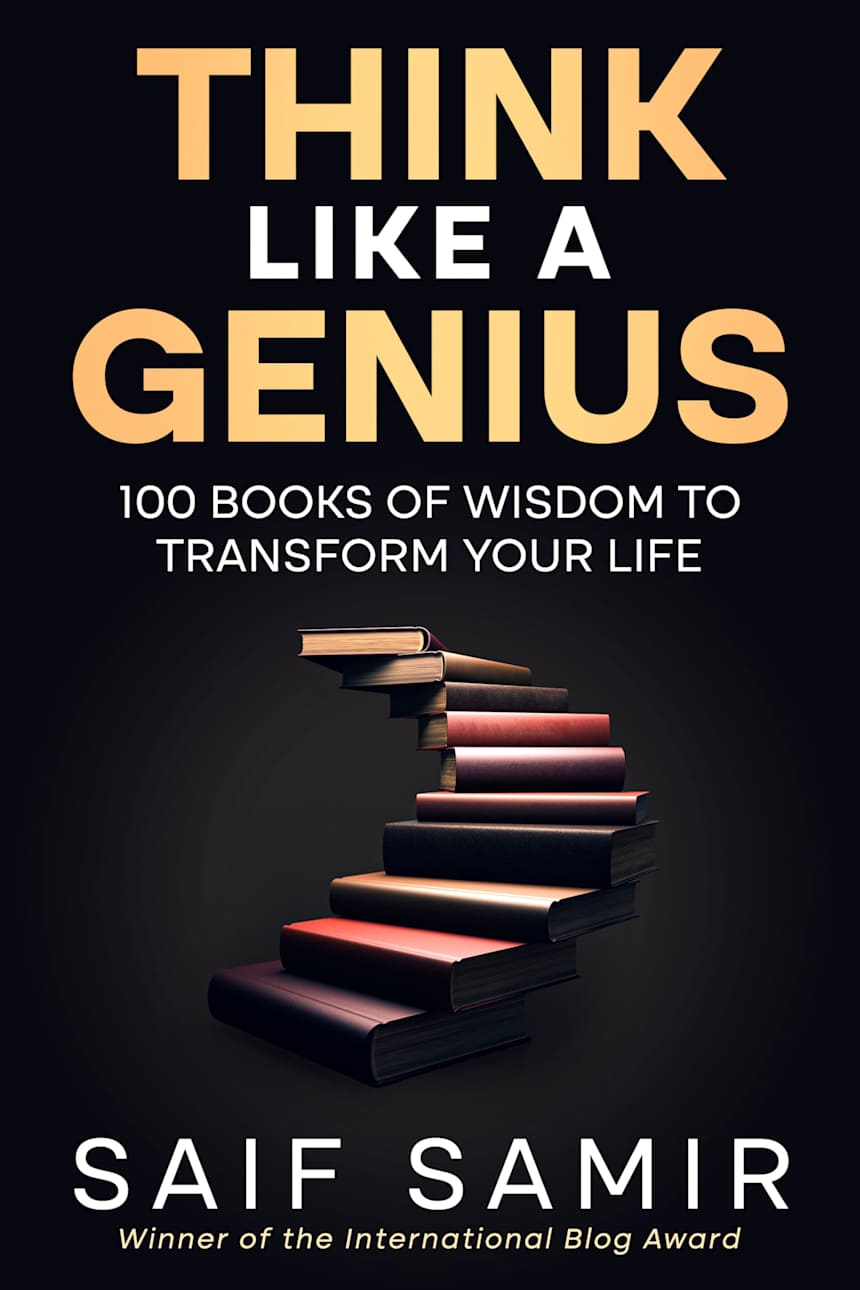
As a busy person, I don't have time to read the classics and the best self-help books of humanity. Saif Samir's "Think Like a Genius" is an incredibly concise and broad overview of some of the world's greatest books, covering mental models and wisdom from the fields of psychology, health, productivity, self improvement, wealth, and more. I especially appreciated reading the works of the stoics, "The Intelligent Investor," and "4-Hour Work Week." I feel I have benefitted greatly from it and will be reading it again!
A Smart Shortcut to Big Ideas
Picked this up because my reading list is out of control, and it genuinely delivers. Instead of shallow summaries, it pulls out the core frameworks that actually matter and makes them usable. I liked how it moves across habits, money, philosophy, business, and mental health without feeling scattered. It’s not a replacement for every classic, but it’s a powerful launchpad. Great for ambitious people who want practical wisdom without spending years catching up.
I know my “sweet spot”
Think Like a Genius by Saif Samir is one of those books that makes you stop and take a hard look at how you spend your time, energy, and attention. Instead of overwhelming the reader with complicated theories, the author pulls together lessons from many well-known thinkers and presents them in a way that makes you reflect on how you actually live your life day to day.
What stood out to me most was the section about finding your “sweet spot.” That idea really resonated. The author talks about identifying the place where your natural interests, abilities, and sense of purpose overlap. When you operate from that space, work feels less like grinding and more like building something meaningful. It made me think about my own path. I have been fortunate enough to turn something I genuinely care about into work that pays the bills. That is not something everyone gets to experience, and reading that section reminded me to be grateful for it rather than just rushing on to the next goal.
At the same time, the chapter pushed me to ask a harder question. If I am already doing something I care about, how do I take it further? How do I improve it, expand it, and make an even bigger impact? That reflection alone made the book worthwhile.
Another thing I appreciated is how the author pulls ideas from many different books and distills them into insights that are easy to absorb. It gives readers exposure to a wide range of perspectives without requiring them to read dozens of full-length titles first.
Overall, this book encourages readers to think more deliberately about where their energy goes and whether it aligns with what truly matters to them. It left me feeling both appreciative of where I am and motivated to keep growing from that place.